When buying a
used excavator, a thorough inspection is the key to avoiding costly surprises. Even a well-looking machine can hide hydraulic leaks, engine wear, or frame damage—issues that turn budget savings into repair headaches. This checklist walks you through every step to pick a reliable used excavator, from visual checks to long-term maintenance.
Start with these core inspections to vet any used excavator before purchase.
Every used excavator—regardless of brand—needs these checks:
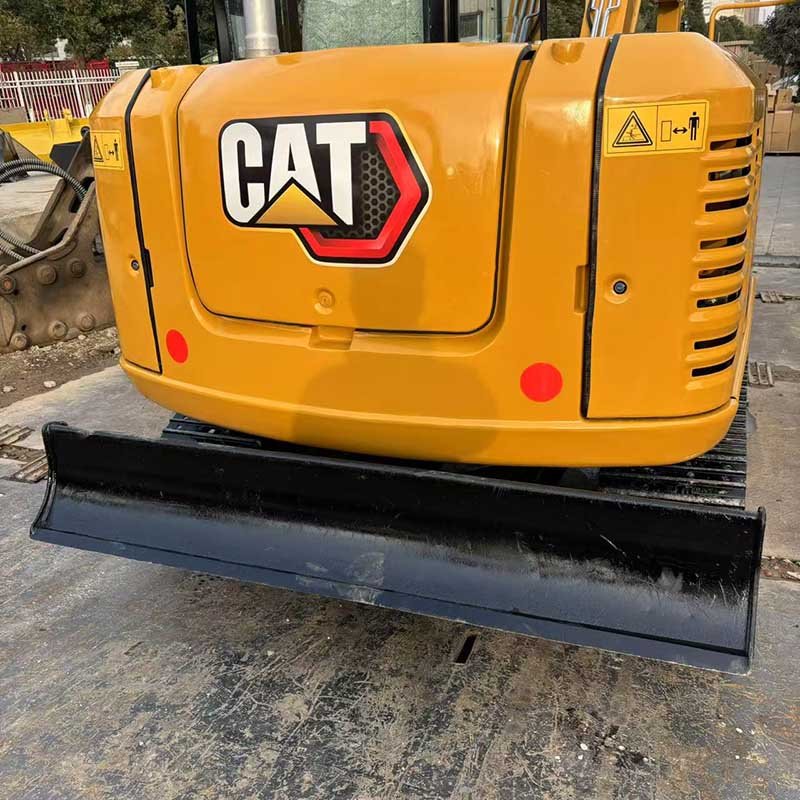
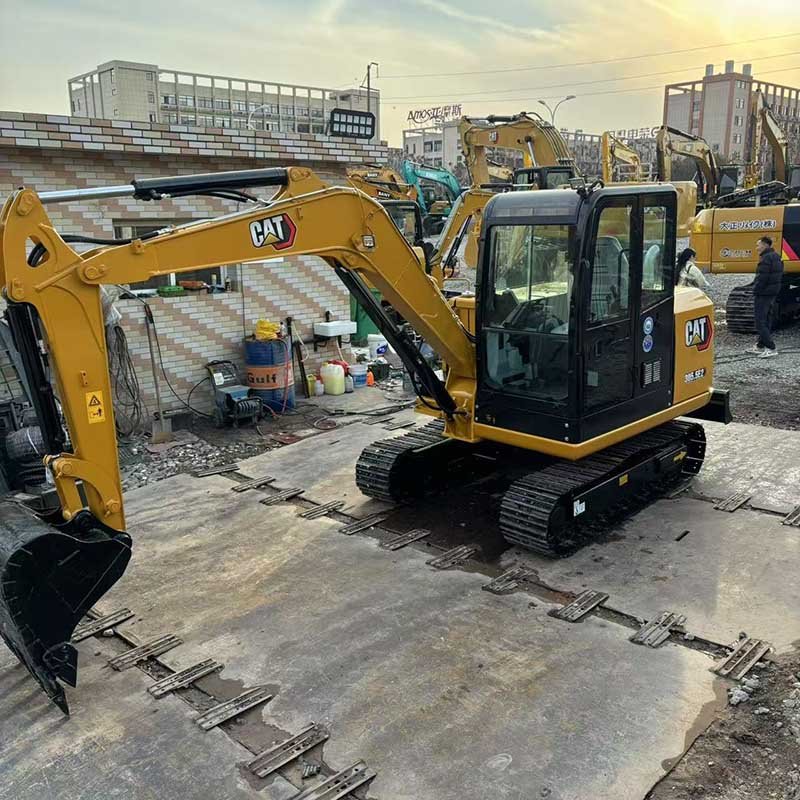
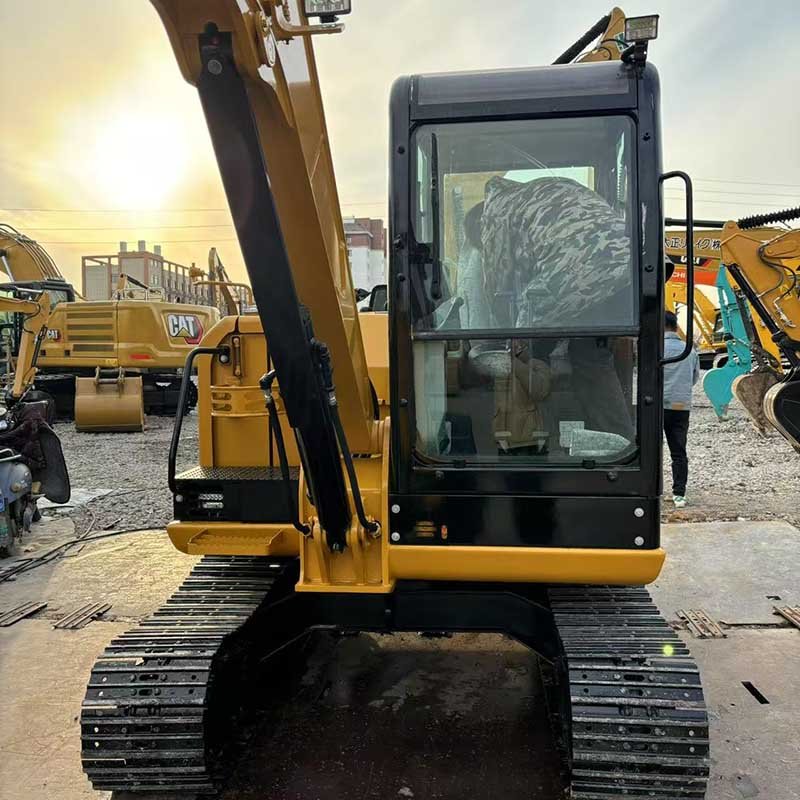
Exterior CheckLook for dents, rust, or weld marks (signs of past accidents). Focus on the boom and arm: cracks here can cause catastrophic failure.Image: [Used excavator boom inspection] | Alt text: “Used excavator exterior check: inspecting boom for cracks”
Engine EvaluationStart the engine and listen for odd noises. Check oil quality: dark, gritty oil means poor maintenance. For diesel models, white smoke signals coolant leaks; black smoke points to fuel system issues.
Hydraulic System TestOperate the boom, arm, and bucket—movement should be smooth. Even small hose/cylinder leaks raise fuel costs by 15-20%.
Undercarriage InspectionMeasure track pad thickness (replace if <15mm). Worn rollers or idlers are costly: undercarriage replacement runs $15,000-$30,000 for used crawler excavators.
Documentation ReviewAsk for maintenance records and hour meter verification. Avoid machines with “rolled back” hours—use CAT’s VisionLink to confirm hours for CAT used excavators.

Different brands have unique weak points—here’s what to focus on:
- CAT Excavators
Use the Electronic Technician (ET) system to scan for error codes. Generic scanners miss issues in CAT 320 or CAT 315 excavators.
- Volvo Excavators
Check the CareTrack telematics system for fuel usage and maintenance alerts (critical for Volvo EC210 models).
- Hitachi Excavators
Inspect the hydraulic pump in Hitachi ZX200 used excavators—it wears out after 8,000 hours (replacement cost: $8,000-$12,000).
International buyers need to follow local regulations to avoid seized equipment:
Proper care boosts a used excavator’s lifespan by 30-40%:
- Daily Maintenance
Check fluid levels, inspect hydraulic hoses for leaks, and clean air/fuel filters (critical for dusty job sites).
- Monthly Maintenance
Grease pivot points, inspect electrical systems, and test safety features (emergency stops, alarms).
- Annual Maintenance
Overhaul the engine, rebuild leaking hydraulic cylinders, and replace undercarriages for units over 10,000 hours.
A used excavator is a smart investment—if you inspect it right. Follow this checklist, verify import rules, and stick to a maintenance schedule to get a high-performance machine that fits your budget.
For more help, browse our
used excavator inventory (pre-inspected units from trusted sellers) or download our free printable checklist.
 Maintenance Tips to Extend Your Used Excavator’s Life