China Yard & Inspection Center
Hefei, Anhui, China
WhatsApp: +86 16655143098
Email: [email protected]
Request Inspection Video
China Yard & Inspection Center
Hefei, Anhui, China
WhatsApp: +86 16655143098
Email: [email protected]
Request Inspection Video
Searching for the best mini excavator? Read our expert 2026 guide covering top brands, verified reviews, and operational tips to maximize your budget.
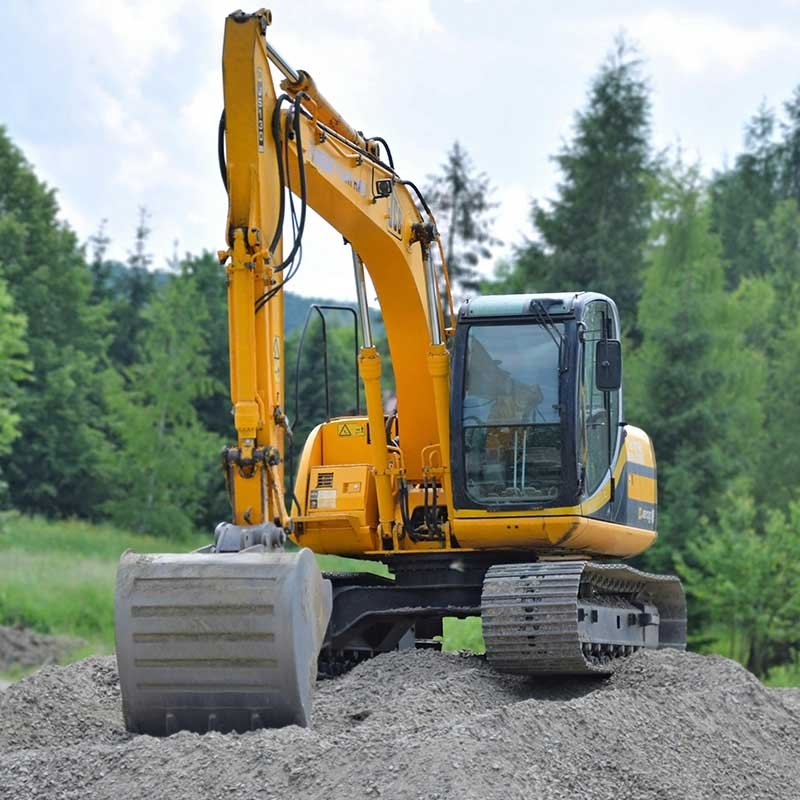
Small construction projects demand highly efficient and reliable earthmoving solutions. Finding the best mini excavator significantly impacts daily site productivity and overall project profitability. Global buyers consistently search for the best mini excavator for the money to strictly control operational budgets. Evaluating the top 10 mini excavator brands ensures you select proven machinery for restricted urban environments. Analyzing objective compact excavator reviews helps contractors avoid costly mechanical failures.

Modern construction environments severely limit operational space for heavy machinery. A well-selected compact unit delivers exceptional breakout force without causing collateral site damage. We will analyze the critical performance metrics required for tight residential and urban jobs. This guide equips procurement managers with strict technical parameters for confident purchasing.
Our professional analysis dissects the core components of reliable compact earthmoving equipment. We evaluate hydraulic efficiency, zero tail swing designs, and undercarriage durability. Matching exact machine specifications to your project requirements guarantees high daily utilization rates. Let us examine the technical fundamentals driving today’s compact machinery market.
Selecting the best compact excavator requires matching physical dimensions to specific site restrictions. A premium 1.5-ton micro unit maneuvers easily through standard 36-inch residential side gates. Upgrading to a 3-ton model provides necessary lifting capacity for heavy retaining wall blocks. Always verify the machine’s maximum digging depth against your typical municipal utility trench requirements.
Zero Tail Swing (ZTS): Prevents the rear counterweight from striking adjacent concrete walls during rotation.
Variable Width Tracks: Allows the undercarriage to retract for narrow access and expand for digging stability.
Hydraulic Auxiliary Flow: Dictates the operational efficiency of heavy-duty attachments like hydraulic breakers.
Operating Weight: Determines specific trailer towing requirements and legal transport logistics.
Ignoring these physical parameters often leads to severe operational inefficiencies. Purchasing an oversized machine inevitably causes expensive property damage in tight residential backyards.

Evaluating established mini excavator brands ensures long-term access to global replacement parts. Premium manufacturers invest heavily in robust hydraulic systems and highly durable undercarriage components. They also provide comprehensive digital diagnostic tools to accelerate field maintenance procedures. Brand reputation remains a critical indicator of secondary market resale equity.
Top Tier Brand Comparison Matrix
| Brand Category | Typical Weight Range | Core Technical Advantage | Target Application |
| Japanese OEMs | 1.0 – 8.0 Tons | Superior hydraulic precision and fuel efficiency | Urban utility trenching |
| American OEMs | 1.5 – 6.0 Tons | High breakout force and heavy lifting capacity | Commercial foundation prep |
| European OEMs | 1.0 – 5.0 Tons | Advanced operator ergonomics and safety tech | Residential hardscaping |
Contractors must assess local dealer support networks before finalizing any machinery purchase. Excellent factory engineering means nothing without immediate access to essential replacement filters and hydraulic hoses.
Determining the best mini excavator for the money requires calculating the total lifecycle cost. The initial dealer purchase price represents only a fraction of your actual equipment expense. Buyers must factor in projected diesel consumption, scheduled maintenance intervals, and insurance premiums. A slightly more expensive premium brand often delivers a vastly superior return on investment.
Fuel Efficiency: Smaller displacement engines utilizing advanced direct injection save thousands annually.
Maintenance Access: Wide-opening service doors reduce billable mechanic hours during routine filter changes.
Standard Attachments: Units bundled with quick couplers and multiple grading buckets offer immediate value.
Depreciation Curve: High-demand models retain strong equity for future fleet upgrades.
Cheap, unproven machinery frequently suffers from catastrophic hydraulic pump failures. Investing in documented reliability prevents project delays and highly expensive emergency field repairs.
 4. Frequently Asked Questions (FAQ)
Operating a compact earthmover safely demands strict adherence to standardized site protocols. Operators must master the dual pilot hydraulic joysticks for smooth, predictable boom movements. Sudden, jerky control inputs destabilize the chassis and risk dangerous tipping incidents. Proper site preparation guarantees maximum machine stability during heavy lifting cycles.
Standardized Operational Steps:
Site Inspection: Walk the entire perimeter to identify buried utilities and overhead power lines.
Machine Placement: Position the tracks perfectly perpendicular to the target excavation trench.
Blade Deployment: Lower the front dozer blade firmly into the soil to act as a stabilizing anchor.
Controlled Digging: Engage the soil in shallow, even layers rather than attempting full-depth bucket cuts.
Safe Slewing: Visually verify the complete swing radius is clear of ground personnel before rotating.
Consistent operational practice drastically reduces severe mechanical wear on bucket pins and linkage bushings. Mandatory safety training protects your workforce and extends the operational lifespan of your equipment.
Scrutinizing independent mini excavator reviews reveals critical performance data absent from factory marketing brochures. Field contractors provide highly accurate feedback regarding actual fuel consumption under heavy loads. Pay close attention to repeated complaints regarding rapid undercarriage wear or electrical sensor failures. Reading detailed compact excavator reviews highlights which specific models excel in harsh environments.
Always cross-reference multiple review sources to identify consistent mechanical patterns. Prioritize feedback from operators working in similar soil conditions and project scopes as your fleet. This objective data serves as your final verification before executing a heavy machinery purchase contract.