China Yard & Inspection Center
Hefei, Anhui, China
WhatsApp: +86 16655143098
Email: [email protected]
Request Inspection Video
China Yard & Inspection Center
Hefei, Anhui, China
WhatsApp: +86 16655143098
Email: [email protected]
Request Inspection Video
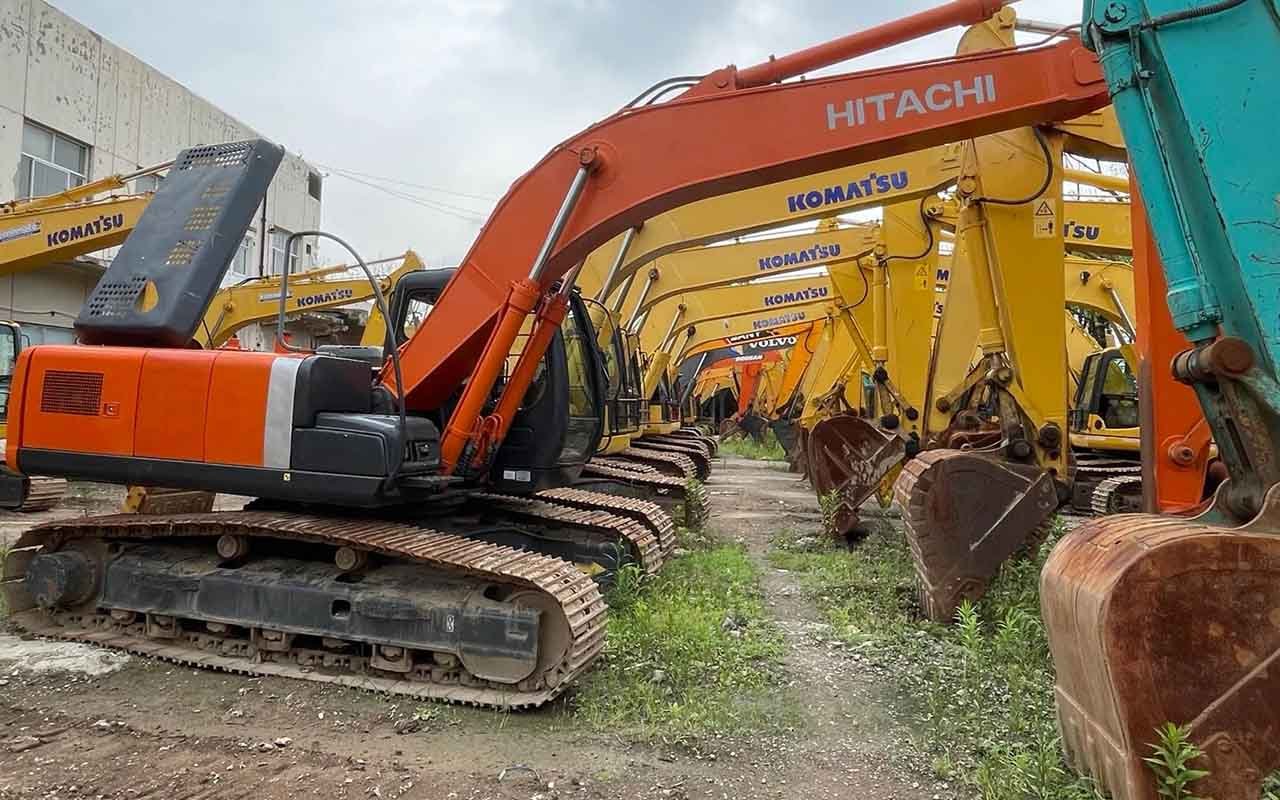
From small workshops to global suppliers, China’s used machinery industry has transformed. Key years mark its growth steps. Each stage reflects market changes and innovation.
2008 was a starting point for many small players. The industry was in early development phase. Most businesses ran as small handicraft workshops then.
Maintenance and spare parts sales were core businesses. Few had formal scales or standardized services. We relied on these basic services to survive. It was a period of accumulating experience quietly.
Market demand was steady but not booming. Customers focused on affordable repairs. Spare parts quality varied greatly then. Trust was built through long-term small transactions.
This phase laid solid groundwork. It helped us understand customer real needs. We learned machinery structures and failure rules. These experiences later supported business expansion.
2012 brought a turning point for the industry. Business started to pick up noticeably. Trade shows became key development platforms.
We participated in the used Cat trade show that year. It was our first step into formal markets. The exhibition gathered global buyers and sellers. We met partners from home and abroad.
Exposure to advanced models broadened our vision. We learned about international quality standards. Customer demands shifted to whole-machine transactions. Used equipment trade began to take shape.
Many peers also joined such exhibitions. The industry started moving toward standardization. Information asymmetry reduced gradually. Market transactions became more transparent.
2017 saw the rise of source factory models. China became a major used machinery supplier. We expanded to cover multiple equipment types.
Our source factory supplied various used machines. Excavators, loaders and bulldozers were available. Graders and rollers added to product lines. One-stop supply met diverse demands.
Domestic infrastructure boom drove demand. Export markets also opened wider then. Southeast Asia and Africa became key destinations. Quality control systems were built gradually.
Industry concentration increased this year. Small workshops merged or exited. Factories with stable supplies gained advantages. Standardized testing became industry norm.
By 2021, we became experienced distributors. Fifteen years of accumulation paid off. The market entered a mature and competitive phase.
That year’s market faced unique challenges. Many distributors struggled with profits. Cash flow and risk control became top concerns. We relied on experience to stay stable.
Domestic brand agents performed relatively better. We focused on service to retain customers. After-sales support enhanced competitiveness. Long-term partnerships ensured stability.
Diversification became a new trend then. We explored related services beyond sales. This helped resist market fluctuations effectively.
Fifteen years of development shaped the industry. From parts to whole machines, from small to large. Each stage’s experience guides future growth.
2025’s market values quality and service more. Green and intelligent upgrades are new directions. Our journey reflects the industry’s evolution.
For the future, we will keep adapting to trends. Customer needs remain our core focus. The industry’s past glory lights up future paths.